
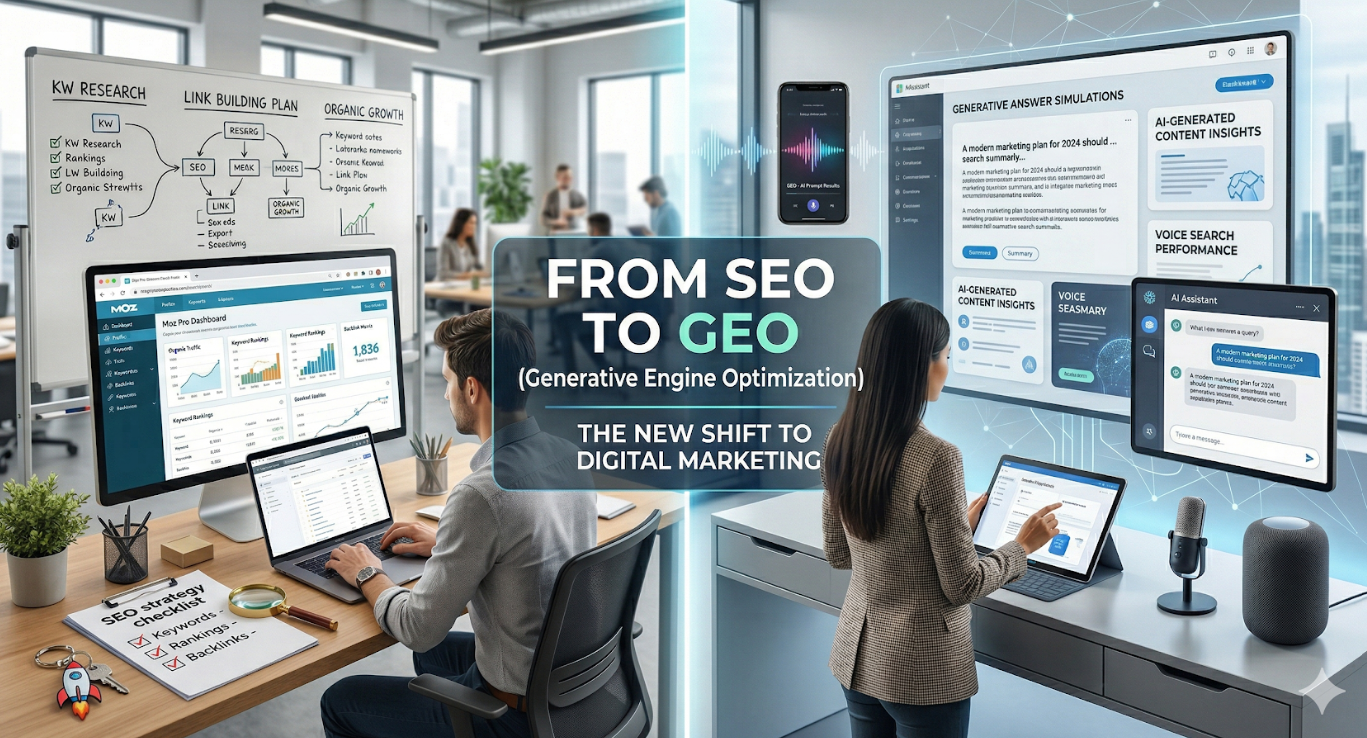
From SEO to GEO (Generative Engine Optimization): New shift to digital marketing
The digital marketing world is changing at a rate we have never seen before. For years, we have been relying on Search Engine Optimization (SEO) as a key marketing strategy for visibility, traffic, and lead generation.
Being on the first page of search engines was the ultimate goal.
However, with the emergence of AI technology such as ChatGPT, Google Gemini, and Perplexity AI, the way people are consuming information has changed dramatically.
Now, people are not just navigating through search results in the form of links, but are asking questions and receiving direct answers.
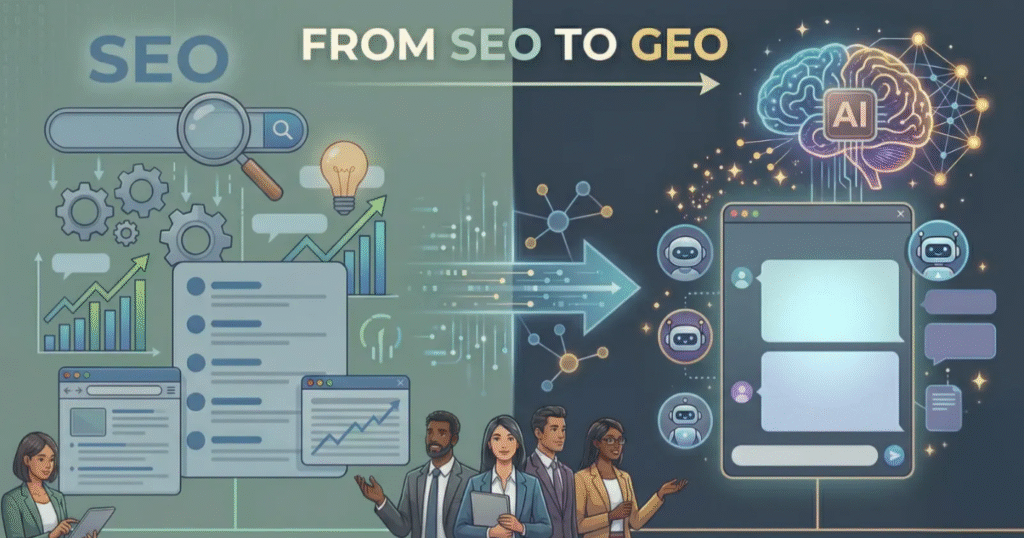
This has given rise to a new concept in the marketing world, known as Generative Engine Optimization (GEO).
This concept is different from SEO in the sense that, in addition to being visible, it ensures that your brand is recommended in search results.
What is Generative Engine Optimization (GEO)?
GEO is all about designing your brand, content, and presence on the web in such a way that AI tools include you in their generated content or refer to you by name in their results.
This is a fundamental shift from traditional SEO, which has been about getting your website higher up on search results pages. Now, it’s about being the source that AI tools refer to when they’re generating their results.
In simpler terms:
- SEO gets you on the search results page.
- GEO gets you in the answer box of AI tools.
So, as AI tools are aggregating information from all sorts of places, it all comes down to whether or not these tools trust you, understand you, and refer to you by name as a source for information on your brand.
How AI Chooses Which Brands to Recommend
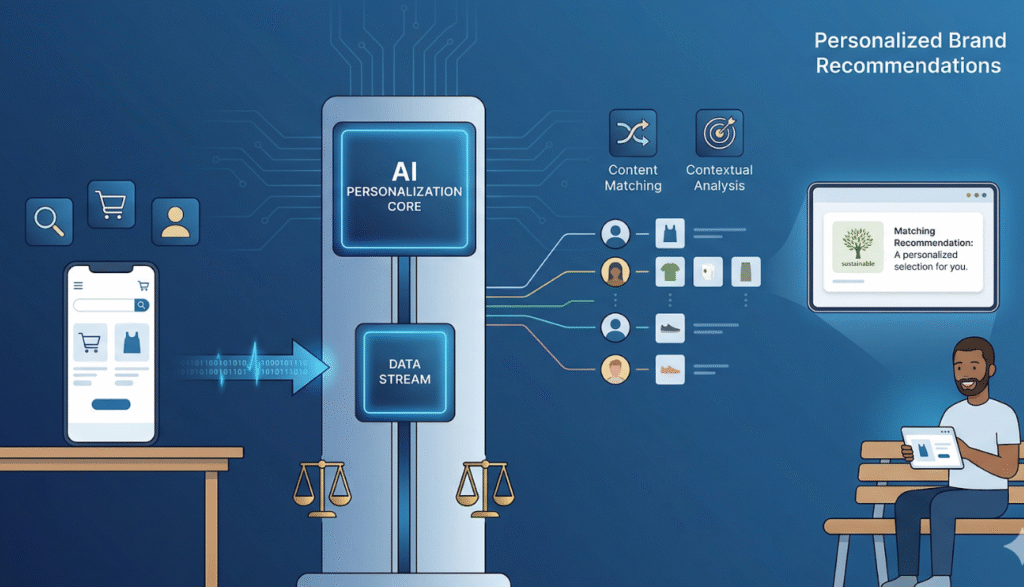
AI models don’t randomly suggest brands. They rely on:
- High-quality, structured content
- Brand authority across multiple platforms
- Consistent mentions and citations
- Trust signals (reviews, ratings, reputation)
- Contextual relevance
Your goal with GEO is to align your brand with these signals.
Generative Engine Optimization, in essence, is all about positioning your brand in such a manner that it is recognized by AI technology as a credible source of information. When a user asks a question, these AI tools analyze all the information available, synthesize it, and then display a summary of the information in the form of an answer.
Being displayed in such an answer ensures visibility without the user actually navigating through search results. This is a huge change in the marketing world, moving from a “click” world to an “answer” world.
What Makes GEO Different from Traditional SEO?
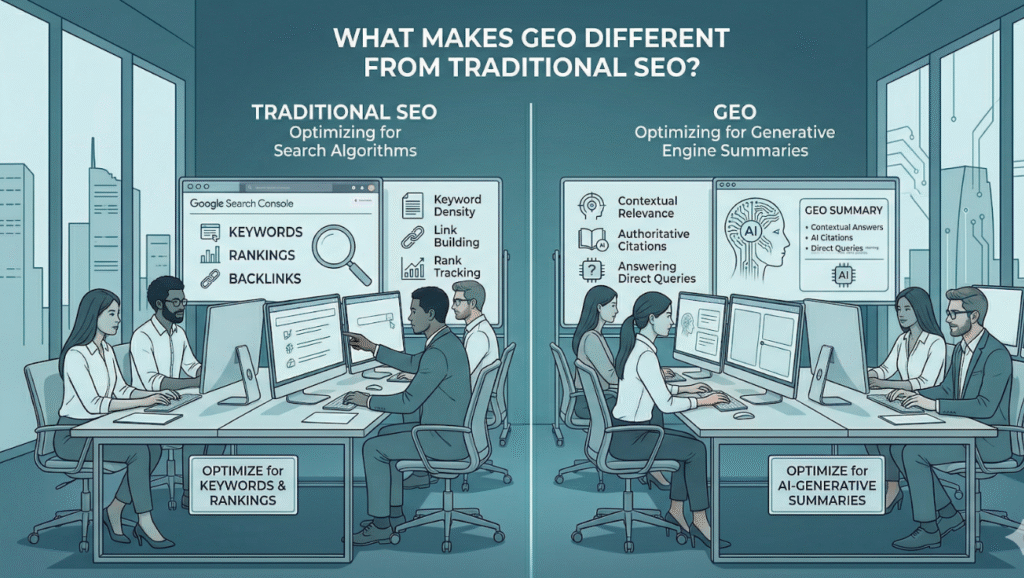
SEO is about visibility. GEO is about credibility.
Search engines rank content based on:
- Keywords
- Backlinks
- Technical SEO
AI engines recommend brands based on:
- Authority
- Accuracy
- Context
- Trustworthiness
In GEO, being “visible” is not enough—you need to be reliable enough for AI to trust you.
The importance of GEO becomes even more apparent if we consider how the behavior of users has changed. Users want everything fast and convenient. Instead of opening multiple tabs and comparing different websites, users want AI to provide them with the best possible answer instantly. This is where websites that are already at the top run the risk of losing their visibility if they are not included in the knowledge base of the AI.
The New Rules of Optimization in the AI Era
Why Traditional Keyword Stuffing is Dead
There was a time when repeating keywords multiple times in a page could help boost rankings. That approach no longer works—and in many cases, it actually harms your visibility. Modern search engines and AI systems prioritize meaning over repetition. They understand context, intent, and natural language.
Keyword stuffing makes content look spammy, reduces readability, and signals low-quality information. Instead of forcing keywords, the focus should now be on creating valuable, human-first content that genuinely answers user queries. If your content is clear, relevant, and helpful, AI will naturally understand what it’s about—without overloading it with keywords.
Why GEO Matters in 2026
The way people search has changed in a fundamental way:
- People ask complete questions, not just type in keywords.
- AI tools give them direct answers, rather than referring them to websites.
- In many cases, people are making purchasing decisions without going to websites at all.
This creates a “discovery gap” because, despite being on page one on Google, you could be completely invisible in AI tool results.
Why GEO Matters in 2026 and Beyond
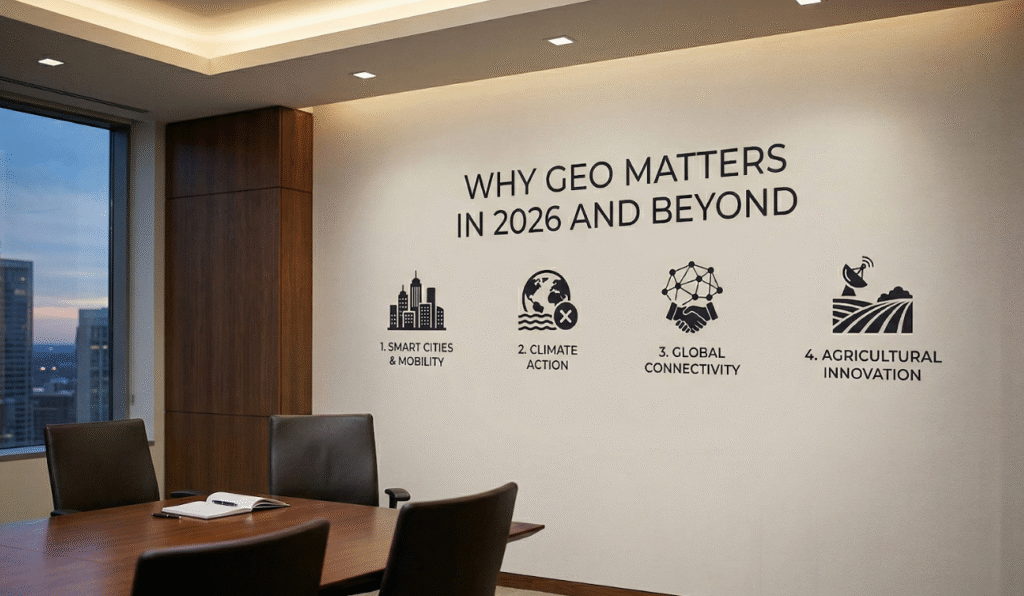
Search behavior is changing. Users are no longer just typing queries into search engines—they are asking AI assistants for direct answers.
- Instead of:
“Best digital marketing company in India” - Users now ask:
“Which digital marketing company should I hire?”
And AI tools give direct recommendations, not just links.
If your brand isn’t optimized for GEO, you risk becoming invisible in this new ecosystem.
The 5 Pillars of GEO Success
- Authority – Establish expertise through valuable, in-depth content.
- Structured Content – Make your content easy for AI to read and extract.
- Trust & Credibility – Build reliability with authentic, data-backed information.
- Contextual Relevance – Focus on intent and meaningful, topic-driven content.
- Brand Signals – Strengthen your presence so AI recognizes and recommends you.
The more valuable your content, the more likely AI will trust it.
In the AI-driven world, the winners won’t be those who rank first. They will be the ones who are trusted enough to be recommended. GEO is not replacing SEO—it’s redefining success in digital marketing.
So the real question is: – Is your brand just visible… or truly recommendable?